Blog

  • 10 LGBTQ+ Friendly Gems in Rajasthan: Safe Havens for Authentic Adventures

    10 LGBTQ+ Friendly Gems in Rajasthan: Safe Havens for Authentic Adventures

    Rajasthan welcomes all travelers with open arms, blending royal heritage and vibrant culture in safe, inclusive spaces. Luxury heritage hotels, progressive tour operators, and bustling Pink City vibes make it ideal for LGBTQ+ explorers. From Jaipur’s lively markets to Udaipur’s romantic lakes, discover 25 spots where love thrives amid forts and deserts. Plan your 2026 trip with confidence—many offer private guides and pride-friendly stays.

    1. Jaipur: Pink City Vibes

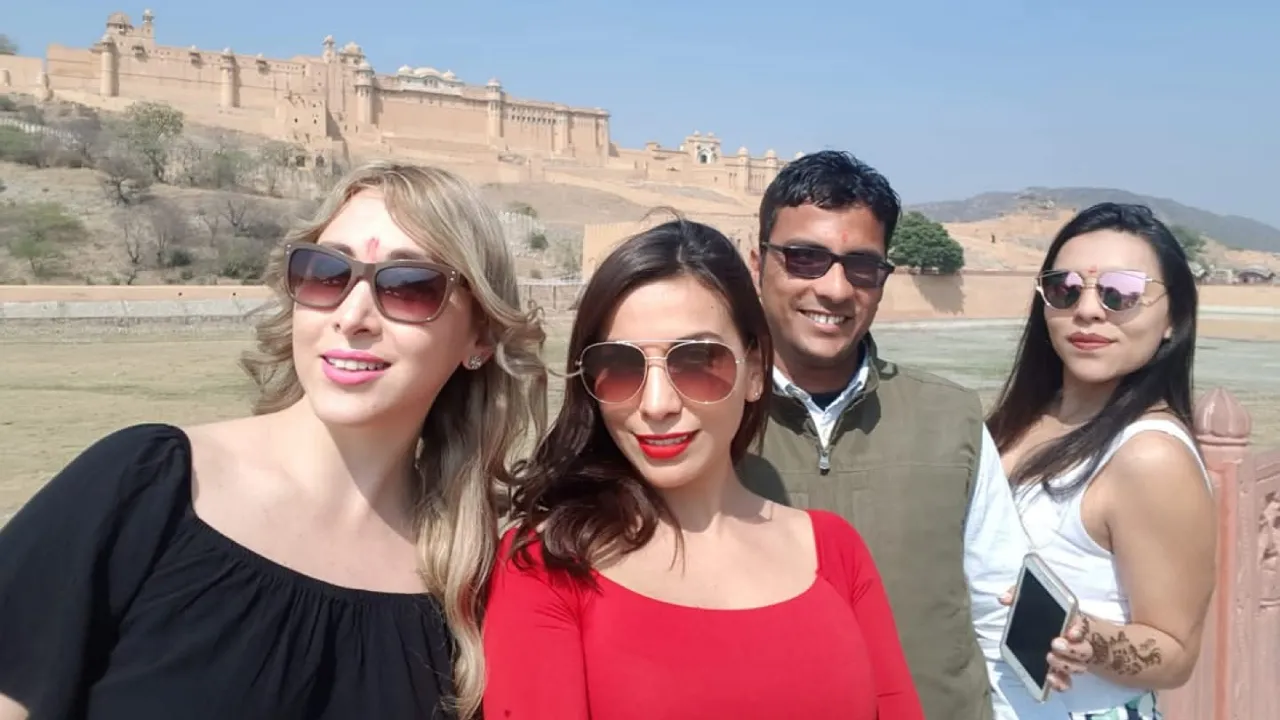
    Jaipur buzzes with color and acceptance, earning its Pink City tag from 1876 welcomes. LGBTQ+ private tours hit Hawa Mahal, City Palace, and Jantar Mantar with English-Spanish guides who skip lines and share hidden queer history spots. Block-printing workshops let couples craft memories; sunset at Nahargarh feels magical. Luxury stays like Taj Rambagh Palace host pride events. Markets brim with safe shopping—no stares, just smiles. Recent 2025 tours added Panna Meena stepwell for photo ops.

    2. Udaipur: Lake of Dreams

    Udaipur’s Lake Pichola mirrors romance under Aravalli hills, ideal for LGBTQ+ honeymoons. Boat rides at sunset from Lake Palace feel like a fairy tale—private charters ensure discretion. Heritage hotels like Taj Lake Palace and Oberoi Udaivilas offer same-sex welcome drinks and spa couples’ treatments. City Palace explores Mewar royalty; evening aartis glow inclusively. Farmers’ markets and rooftop dinners celebrate diversity. 2026 updates include pride boat festivals. Safe walks day or night.

    3. Jodhpur: Blue Haven

    Jodhpur’s blue alleys whisper freedom amid Mehrangarh Fort’s shadow. LGBTQ+ friendly heritage walks explore vibrant streets with local guides attuned to diverse needs. Umaid Bhawan Palace, a Taj gem, pampers with Art Deco luxury and discreet poolside lounging. Rao Jodha Desert Rock Park offers safe hikes; zip-lining thrills couples. Night markets pulse with safe bargaining for textiles. 2025 saw new queer art exhibits in havelis. Brahmin Dharamshala guesthouses welcome all.

    4. Jaisalmer: Desert Rainbow

    Golden sands of Jaisalmer Fort host living history where narrow lanes feel like a warm embrace. Camel safaris into Thar Desert include private camps with folk dances and starlit dinners—no judgments, just joy. LGBTQ+ operators like Pink Vibgyor run inclusive Sam Sand Dunes stays. Haveli boutiques sell rainbow-hued crafts. Sunset from fort walls stuns; 2026 solar camps added eco-luxury. Safe for hand-holding strolls. Laxminath Temple views inspire.

    5. Pushkar: Spiritual Sanctuary

    Pushkar’s holy lake draws seekers of all loves, with camel fairs turning inclusive in recent years. Bazaars overflow with beads and boho vibes; safe for queer pilgrims. Shiva Cafe rooftops host chill vibes and global chats. Lake dips at Brahma Temple feel purifying. Luxury tents at fairgrounds welcome couples. 2025 pride yoga retreats bloomed. Stays like Pushkar Palace Resort pamper.

    6. Mount Abu: Hilltop Retreat

    Cool breezes of Mount Abu refresh after desert heat, with Dilwara Temples showcasing marble artistry. Boating on Nakki Lake suits romantic picnics; sunset points glow pink. LGBTQ+ friendly resorts like Cama Rajputana offer pool parties and hikes. Brahmagiri Peak treks bond adventurers. 2026 cable car upgrades ease access. Safe, green escape.

    7. Ajmer: Devotional Harmony

    Ajmer Sharif Dargah pulses with Sufi love for all souls, drawing diverse crowds. Qawwali nights under stars unite hearts. Nearby Ana Sagar Lake picnics relax couples. Heritage walks safe with local respect. Boutique stays discreet. 2025 interfaith pride events grew.

    8. Bikaner: Camel Carnival

    Bikaner’s Junagarh Fort hosts camel festivals where colors explode in acceptance. Kutchery Road cafes sip kachoris safely. Lalgarh Palace heritage hotel luxuriates couples. Desert safari camps private. 2026 festival added queer dance troupes.

    9. Bundi: Stepwell Secrets

    Bundi’s blue pots and Taragarh Fort overlook stepwells perfect for quiet photos. Haveli guesthouses host intimate dinners. Lake picnics romantic. Art trails inspire. Safe small-town charm.

    10. Ranthambore: Wildlife Whisper

    Tiger safaris in Ranthambore National Park thrill from safe jeeps. Oberoi Vanyavilas luxury camp pampers post-sighting. Fort views add majesty. Inclusive guides spot leopards too.
  • 25 Iconic Forts of Rajasthan: Timeless Tales of Valor and Beauty

    25 Iconic Forts of Rajasthan: Timeless Tales of Valor and Beauty

    Rajasthan’s forts stand tall against the desert skies, whispering stories of rajas, battles, and unbreakable spirit. These sandstone giants draw millions yearly, blending history with stunning views. From UNESCO gems to hidden treasures, explore 25 must-visit forts that define the Land of Kings. Perfect for history buffs, photographers, and adventure seekers worldwide.

    1. Amber Fort (Jaipur)

    Amber Fort crowns a hill overlooking Maota Lake, just outside Jaipur. Built in 1592 by Maharaja Man Singh I, its red sandstone and marble glow at sunrise. Elephants once climbed its ramps; now jeeps or walks lead to elephant stables and Diwan-i-Aam halls. Peek into Sheesh Mahal’s mirror work that lights up without bulbs. Sound-and-light shows evenings bring Rajput legends alive. Open 8 AM-5:30 PM; entry ₹100 Indians, ₹550 foreigners. Pairs perfectly with Jaigarh above it.

    2. Jaigarh Fort (Jaipur)

    Perched higher than Amber, Jaigarh guards the Victory Fort legacy since 1726 under Jai Singh II. Spanning 3 km, it houses Jaivana—the world’s largest wheeled cannon from 1720. Vast courtyards, watchtowers, and armory museums showcase Rajput might. Panoramic Jaipur views stun from its ramparts. Hike up or drive; zip-lining adventures added in 2025. Timings 9 AM-4:30 PM; ₹35 Indians, ₹85 foreigners. UNESCO Hill Forts site.

    3. Nahargarh Fort (Jaipur)

    Nahargarh overlooks Jaipur’s old city from Aravalli peaks, built 1734 by Jai Singh II. Its Madrasa and grand Diwan-i-Aam hosted moonlit feasts. Sunset views rival any in India—city lights sparkle below. Film crews love its rugged charm; recent 2026 restorations fixed earthquake cracks. Pair with Jaigarh for a full ridge trek. Entry ₹50; open sunrise-sunset. Café on site serves local thali.

    4. Mehrangarh Fort (Jodhpur)

    Mehrangarh looms 125m over Jodhpur’s blue houses, founded 1459 by Rao Jodha. Seven gates tell victory tales—Jayapol honors Jaipur defeats. Inside, Phool Mahal’s gold leaf and Umaid Bhawan peacock dome dazzle. World’s largest tulip-shaped stepwell nearby. Audio tours in 10 languages; zip-line across chasms thrills. Open 9 AM-5 PM; ₹100 Indians, ₹600 foreigners. Museum houses royal palanquins.

    5. Umaid Bhawan Palace Fort (Jodhpur)

    Part palace, part fort—Umaid Bhawan blends Art Deco with Rajput style since 1943. Maharaja Umaid Singh built it against famine curse. Now a Taj hotel, public wing shows vintage cars and zodiac clocks. 347 rooms, underground pool, and Airbus-sized durbar hall awe. Monsoon-lit facade mesmerizes. Tours 9 AM-5 PM; ₹40 entry. Best luxury stay in Rajasthan.

    6. Jaisalmer Fort (Jaisalmer)

    Living Sonar Quila rises from Thar Desert sands, built 1156 by Rawal Jaisal. Yellow sandstone bastions house 4,000 residents today. Narrow lanes wind past Jain temples, Patwon Ki Haveli, and canon points. Sunset from Laxminath Temple paints it gold. Camel safaris start here; 2026 solar-powered lights added. Open all day; sound show evenings. ₹30 Indians, ₹250 foreigners.

    7. Junagarh Fort (Bikaner)

    Rare ground-level fort, Junagarh stood unconquered since 1589 by Raja Rai Singh. 37 bastions, handprints of royal widows at Daulat Pol. Karan Mahal’s mirror work and Prithvi Niwas palace glow. Bikaner kites fly from ramparts during November festival. Museum displays arms; camel festival nearby. Timings 10 AM-4:30 PM; ₹40 Indians, ₹300 foreigners.

    8. Kumbhalgarh Fort (Kumbhalgarh)

    Second-longest wall worldwide—36 km snakes around Kumbhalgarh, built 1448 by Rana Kumbha. 365 temples, including Neelkanth Mahadev, dot its seven gates. Maharana Pratap born here; Badal Mahal offers valley views. Light show Tuesdays illuminates it. UNESCO site; trek the wall paragliding 2026 update. Open 9 AM-5 PM; ₹20 Indians, ₹40 foreigners.

    9. Chittorgarh Fort (Chittorgarh)

    Massive 700-acre UNESCO fort from 7th century, symbol of Rajput jauhar sacrifices. Vijay Stambh tower honors Rana Kumbha’s wins. Padmini’s Palace lake reflects tragedy. Fateh Prakash Palace now museum. Rani Padmini lore lives in sound-light shows. Bicycle tours popular; open sunrise-sunset. ₹20 Indians, ₹200 foreigners.

    10. Gagron Fort (Jhalawar)

    Unique water-ringed fort at Ahu-Kali Sindh rivers meet, 12th century Parmar origin. Double moats made it invincible. Jami Masjid and stepwells inside. Bird sanctuary nearby; winter migratory spot. Minimal crowds; restored 2025. UNESCO Hill Fort. Timings 10 AM-5 PM; free entry. Riverside picnics ideal.

    11. Taragarh Fort (Bundi)

    Tiger Fort perches 450m above Bundi since 1354. Secret tunnels once aided escapes. Bhim Sagar lake views mesmerize. Stepwells and gardens below. Sunrise balloon rides new in 2026. Hike up for panoramic shots. Entry ₹10; open daylight hours.

    12. Ranthambore Fort (Sawai Madhopur)

    Inside Ranthambore Tiger Reserve, 10th-century fort climbed by leopards. Trinetra Ganesh Temple draws devotees. Ganesh Pol gate overlooks lakes. Jeep safaris spot tigers below ramparts. UNESCO site; peak season Oct-Jun. Fort free with park entry ₹500+.

    13. Lohagarh Fort (Bharatpur)

    Iron Fort’s massive walls repelled Mughals, built 1733 by Maharaja Suraj Mal. Japanese Garden and museum inside. Keoladeo bird park adjacent. Mud fortress feel intact. Open 10 AM-5 PM; ₹20 entry. Cycle rickshaws explore.

    14. Bala Quila (Alwar)

    Alwar’s hilltop fort from 1770 offers Sariska views. Nikumbha Palace ruins and stepwell. Evening light show; cable car proposed 2026. Trek or drive up. Entry ₹25; timings 8 AM-5 PM.

    15. Bhainsrorgarh Fort (Chittorgarh)

    Riverside hideaway on Chambal, 1740 Chauhan build. Now boutique hotel with 360° views. Tribal museum and coracle rides. Leopard sightings common. Day visits welcome; book ahead. Organic farm feasts.

    16. Neemrana Fort Palace (Alwar)

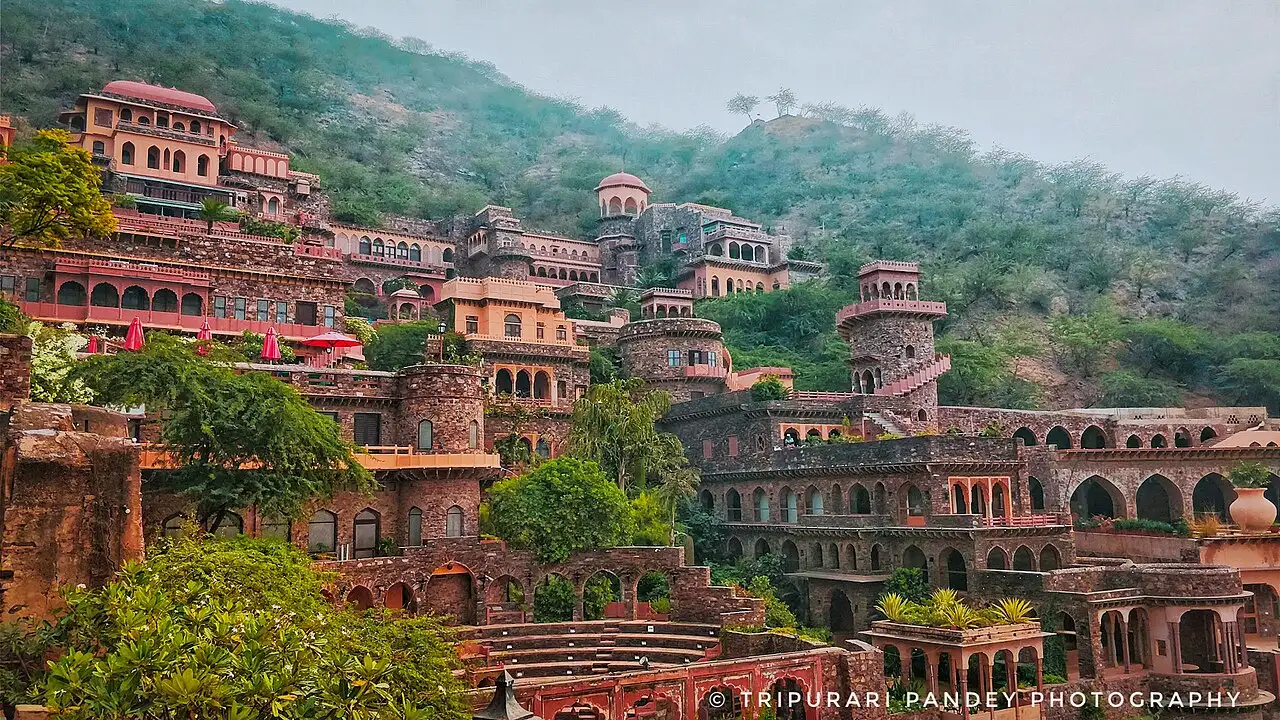
    15th-century fort turned heritage hotel, 120 km from Delhi. Glass lift to ramparts; vintage car museum. Zip-line and vintage flights. Luxury stays with spa. Day tours ₹1,500.

    17. Mandawa Fort (Mandawa)

    Shekhawati painted fort-haveli from 1754. Frescoes depict trains, gods. Now castle resort. Camel carts tour murals. Art festival Oct. Rooms ₹8,000+.

    18. Bundi Fort Palace (Bundi)

    Overlooks blue-city Bundi, 14th-century Hada Chauhan. Chitragarh frescoes rival Jaipur. Stepwells, monkey troops. Sunset aarti at lake. ₹50 entry.

    19. Siwana Fort (Barmer)

    Desert ghost fort on Malwa Hill, 13th-century. Parmar legends of Parmal hero. Rock climbing, camping. Remote vibes; 4×4 access. Free; basic facilities.

    20. Hill Fort Kesroli (Alwar)

    Oldest Thakur fort, 14th century. Neemrana hotels manage; olive farm. Sariska safaris nearby. Hill views, pool. ₹10,000 rooms.

    21. Merta Fort (Nagaur)

    Nagaur’s Merta, 17th century. Rathore history; folk museum. Teej festival dances. Quiet heritage walk. Entry ₹10.

    22. Ajit Bhawan Fort (Jodhpur)

    Jodhpur outpost, 20th century. Royal polo bar, tented luxury. Mehrangarh views. Spa, pool. High-end stays.

    23. Gogamedi Fort (Nagaur)

    Paras ji temple fort, 16th century. Folk deity shrine; fair Nov. Healing rituals. Rustic charm. Free entry.

    24. Kankwari Fort (Sariska)

    Sariska ruins, 17th century. Mughal hunting lodge vibes. Tiger trails nearby. Offbeat trek; no facilities. Park permit needed.

    25. Achalgarh Fort (Mount Abu)

    Hill station fort, 1456 by Kumbha. Temple complex inside. Abu road views; monsoon hikes. Dilwara nearby. ₹20 entry.

    Wrapping Up

    These forts capture Rajasthan’s soul—bravery etched in stone. Many host festivals in 2026; check official sites for updates. Book guided tours for hidden tales. Which one calls you first? Safe travels through the desert kings’ legacy.

  • Jaipur: A Kaleidoscope of Color, Culture, and Crowned Heritage

    Jaipur: A Kaleidoscope of Color, Culture, and Crowned Heritage

    Jaipur is more than a city. It’s a living postcard of Rajasthan’s grand past and vibrant present. For Indian travelers and international visitors alike, it offers a mix of palaces, markets, and panoramic views that stay with you long after you return home. Here are 25 reasons to put Jaipur high on your travel list.

    25 Reasons to visit Jaipur

    1. Pink City Charm

    Jaipur’s distinctive pink façades welcome you into a city that feels both regal and warm. The color was chosen to imitate the sandstone hues of royalty and to welcome guests after a festival of renewal. Walking through the old city feels like stepping into a living museum.

    2. The Majestic Amber Fort

    Perched on a hill, Amber Fort blends Rajput and Mughal influences. Ride up on an elephant or drive up in a modern vehicle. Inside, you’ll find ornate halls, mirror work, and intricate carvings that recount tales of valour and devotion.

    3. Hawa Mahal: The Palace of Winds

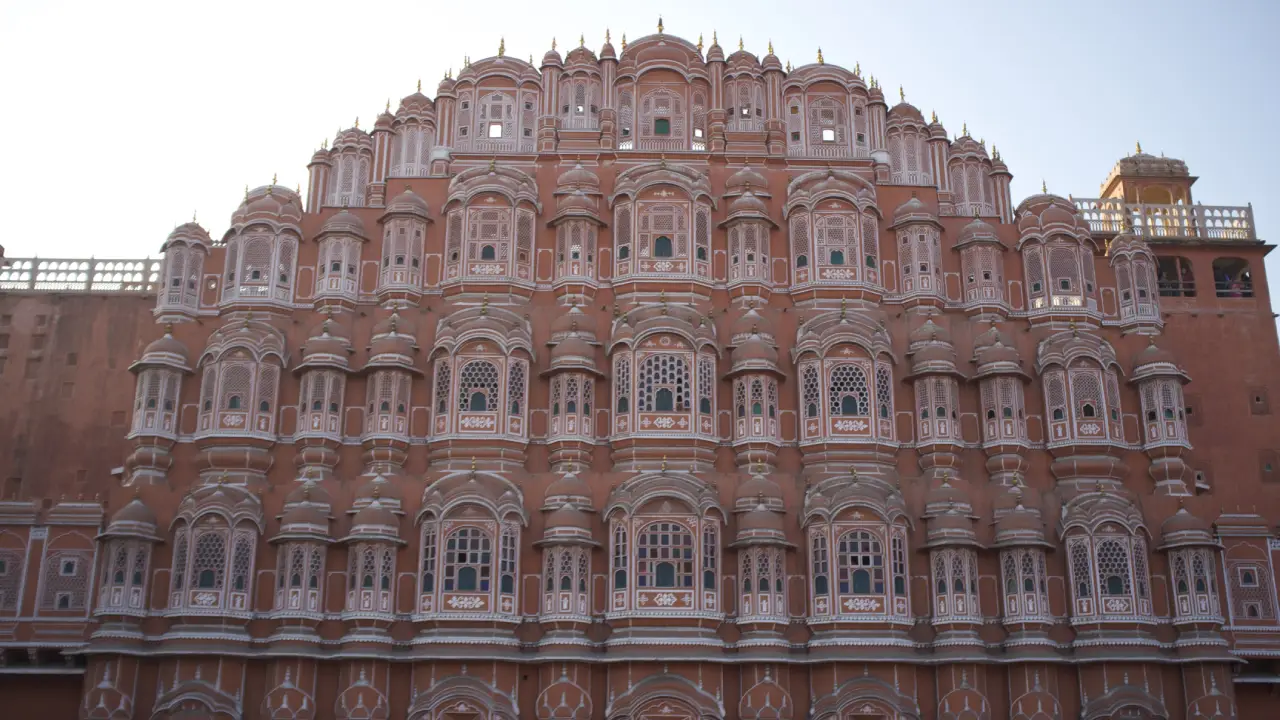
    This honeycomb-like facade is iconic. Its 953 windows kept courtyards breezy and private for royal women to observe street life unseen. Stand beneath it and you’ll hear the city hum with energy.

    4. City Palace Complex

    A working palace that houses museums, courtyards, and a royal observatory. The blend of architecture reflects centuries of queens and kings who shaped Jaipur’s heart and pace.

    5. Jantar Mantar: The Cosmic Observatory

    A UNESCO-listed site with giant stone devices built to track celestial movements. It’s surprisingly practical and still accurate for solar and stellar observations.

    6. Locally Crafted Jewelry and Gemstones

    Jaipur is famous for silverwork, meenakari enamel, and precious stones. Vendors in Johri Bazaar and Bapu Bazaar offer unique keepsakes and gifts.

    7. Rajasthani Cuisine: Noble Flavors

    Try dal bati churma, laal maas, and pyaaz kachori. The spices tell stories of desert trade routes and centuries of recipe sharing across communities.

    8. Vibrant Markets and Bazaars

    Shop for textiles, turbans, block-printed fabrics, and handicrafts. Haggling is part of the fun, so go with a light heart and a curious eye.

    9. Nahargarh Fort Sunset Views

    Overlooking the city, Nahargarh offers sunset views that turn Jaipur into stars and lights. It’s a perfect spot for photography and calm reflection.

    10. Jal Mahal: Water Palace

    Set in the middle of Man Sagar Lake, this palace feels almost surreal as water laps the base. It’s a striking photo opportunity and a peaceful detour from the crowds.

    11. The Style of City Planning

    Jaipur’s street grid and grand gates reveal a city designed for ceremony and comfort. It’s one of the earliest planned cities in India, with a thoughtful balance of residence, trade, and culture.

    12. Cultural Fairs and Festivals

    From the vibrant Teej to the Jaipur Literature Festival, cultural events fill the calendar. These celebrations offer a deeper dive into music, dance, poetry, and local camaraderie.

    13. Tiger and Wildlife Access Nearby

    For nature lovers, short trips from Jaipur bring you into sanctuaries and wildlife reserves. It’s easy to blend city culture with countryside adventure.

    14. Traditional Attire and Photo Heritage

    Try on a traditional kurta or scarf at a studio and snap photos against Jaipur’s colorful backdrops. It’s a playful way to connect with local culture.

    15. Rajasthan’s Handicraft Villages Nearby

    A short drive reveals villages where artisans keep handmade traditions alive. You can watch crafts being formed, then take home authentic pieces.

    16. Camel Rides and Desert Echoes

    Organized desert safaris let you experience the Thar beyond the city. Dune evenings often come with music, stories, and starlit skies.

    17. Architectural Diversity

    From royal palaces to observatories and forts, Jaipur’s architecture spans several styles. You’ll notice intricate lattice work, jharokha balconies, and ornate arches at almost every stop.

    18. Rich History Beyond Legends

    Jaipur’s history isn’t only about kings; it’s about merchants, scholars, and builders who shaped trade routes. Museums and old quarters offer nuanced insights beyond the gilded surface.

    19. Local Hospitality: The Padharo Mhare Des

    The phrase you’ll hear, meaning “Please come in, my guest,” captures the warm hospitality that welcomes travelers. Jaipur’s people often go the extra mile to help visitors.

    20. Eco-conscious Tourism Options

    Many tours emphasize responsible travel, supporting local communities and minimizing environmental impact. You’ll find options for sustainable stays and ethical experiences.

    21. Easy Access and Connectivity

    Jaipur is well connected by road and rail, and the airport is a gateway for exploring Rajasthan. It’s easy to weave Jaipur into a broader India itinerary.

    22. Comfortable Climate for Most Seasons

    While summers can be hot, the city’s architecture and markets are designed for shade and breeze. Winters are mild, making it comfortable for daytime exploring.

    23. Photographic Goldmine

    Every corner offers a frame: patterned walls, bustling lanes, and grand gates. Jaipur is a photographer’s treasure chest, whether you shoot with a phone or a pro camera.

    24. Proximate Day Trips

    Beyond Jaipur, you can visit other famous Rajasthan towns within a few hours. This makes it convenient for a multi-city experience without long travels.

    25. Modern Day Jaipur

    Alongside heritage, you’ll find contemporary cafes, boutique hotels, and cosmopolitan dining. It’s a city that respects its past while embracing the present.

    Practical Tips for a Smooth Visit

    • Plan ahead for palace timings and ticketing to avoid long queues.
    • Dress modestly for temple visits and respect local customs.
    • Try a guided tour to add context to major sites.
    • Carry water, especially in peak heat, and choose official vendors for safe meals.
    • Respect photography rules in sacred or restricted areas.

    Where to Start Your Jaipur Journey

    • Amber Fort and Hawa Mahal are must-see anchors for first-timers.
    • City Palace and Jantar Mantar offer deep historical and scientific context.
    • Bazaar wanderings in Johri and Bapu are perfect for souvenirs and street food.

    Helpful Resources

  • Hello world!

    Welcome to WordPress. This is your first post. Edit or delete it, then start writing!